BOM · 19.07° N · 72.88° E · India
Mumbai
India's biggest city and home of Hindi film, with the Gateway of India, Marine Drive at sunset, street food at Chowpatty and a ferry to the Elephanta Caves.
Find flights to Mumbai
About Mumbai
In short
- The Gateway of India
- Chhatrapati Shivaji Maharaj Terminus
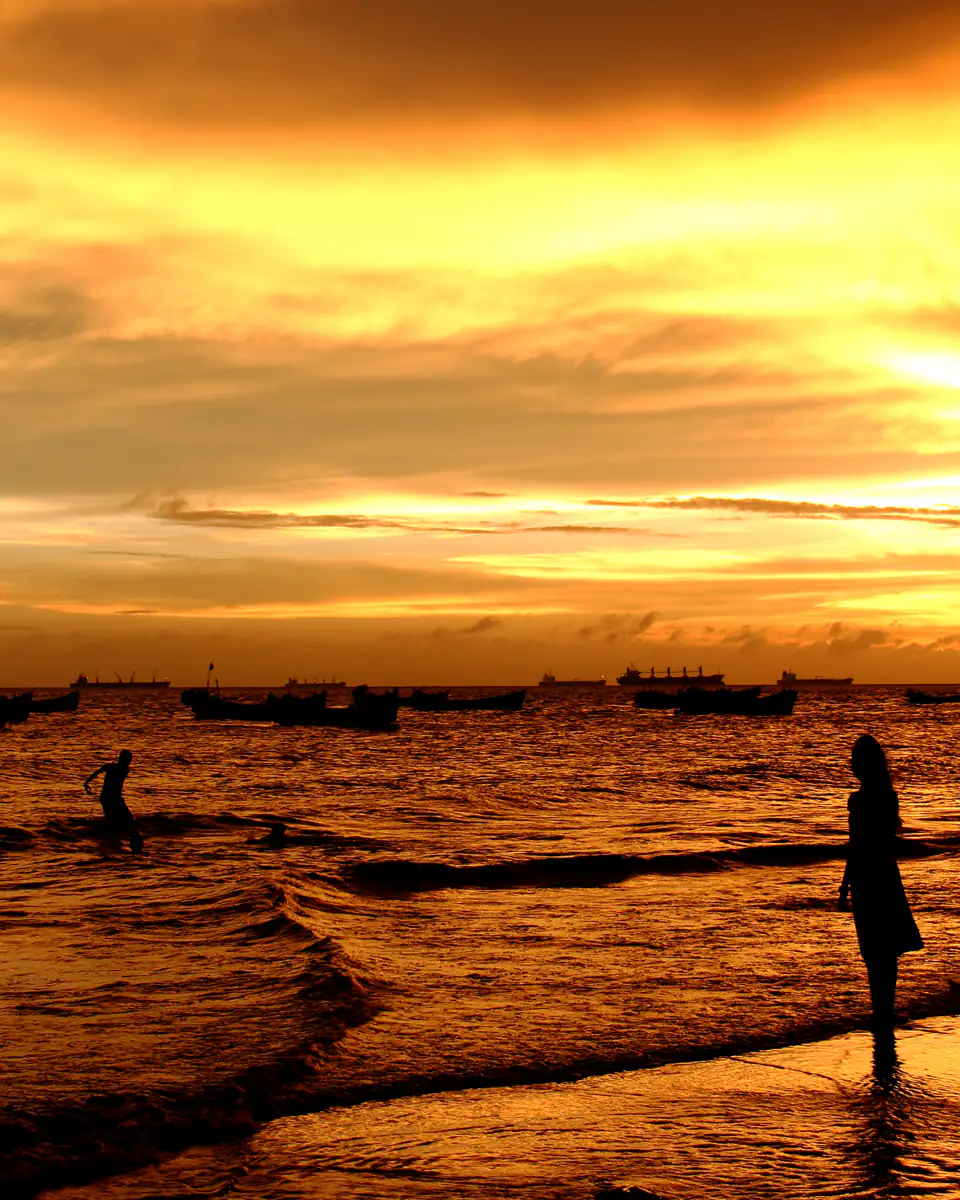
- Marine Drive at sunset
- The Elephanta Caves by ferry
- Haji Ali Dargah
At a glance
- Country
- India
- Region
- South Asia
- Local time
- GMT+5:30
- Time difference
- 0.5 hours behind Dhaka
- Currency
- Indian Rupee (INR)
- Languages
- English
- Main airport
- BOMChhatrapati Shivaji Maharaj International Airport
- Best time to visit
- November to February
Mumbai is India's financial centre and the home of the Hindi film industry. Chhatrapati Shivaji Maharaj International Airport (BOM) serves the city, and Navi Mumbai International Airport serves the wider region.
South Mumbai
The Gateway of India looks out over the harbour, and the Victorian Gothic and Art Deco buildings of the Fort area are a UNESCO World Heritage Site. Chhatrapati Shivaji Maharaj Terminus, a working station, is on the UNESCO list too.
Elephanta
Ferries leave from the jetties at the Gateway of India for Elephanta Island, about 10 kilometres east across the harbour, where the rock cut caves are a World Heritage Site.
By the sea
Walk Marine Drive at sunset, try vada pav and pav bhaji at Chowpatty beach, and visit the Haji Ali Dargah.
Getting around
Suburban trains on the Western, Central and Harbour lines cross the city and the region, the Mumbai Metro has run since 2014, and buses and metered taxis cover the rest.
Before you go
Entry and visas
Check India's visa rules for your passport before you book. With a Bangladeshi passport, start with the High Commission of India in Bangladesh, linked below. On another passport, apply only through India's official visa portal, and avoid sites that ask for extra payment.
Health
See your doctor or a travel clinic a few weeks before you go. Highs stay above 30°C all year, so drink plenty of water and use sun protection. Guard against mosquito bites and take care with food and water.
Money
India's currency is the Indian rupee (INR). Carry cash for markets, street food and taxis, and ask your bank what your card costs to use abroad.
General information only, not legal or medical advice. Rules change, so check the official source before you travel.
Checked on 14 October 2026
When to go
- JanuaryBest
- FebruaryBest
- March
- April
- May
- JuneNot ideal
- JulyNot ideal
- AugustNot ideal
- SeptemberNot ideal
- October
- NovemberBest
- DecemberBest
November to February is dry, with highs of about 31 to 34°C, and March to May stays dry and warm. The southwest monsoon runs from June to the end of September, and July is the wettest month.
Pictures of Mumbai
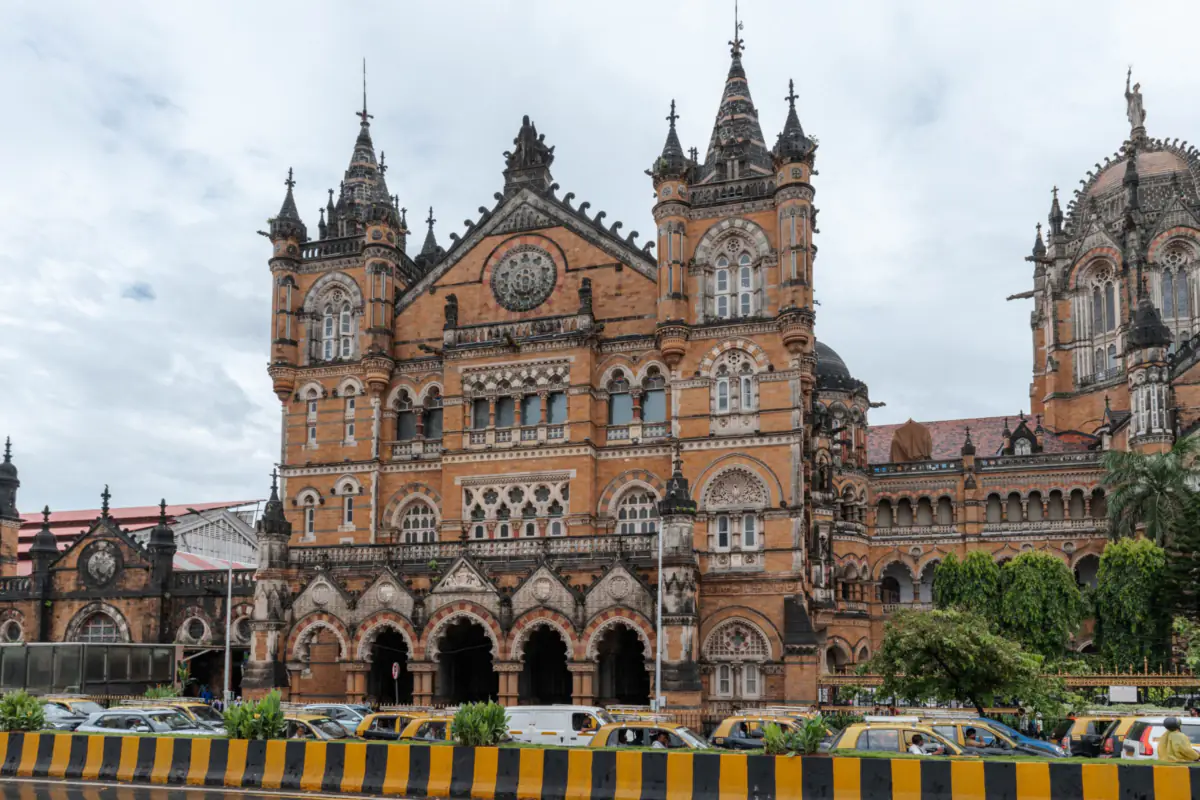
Chhatrapati Shivaji Maharaj Terminus, a working station on the UNESCO list 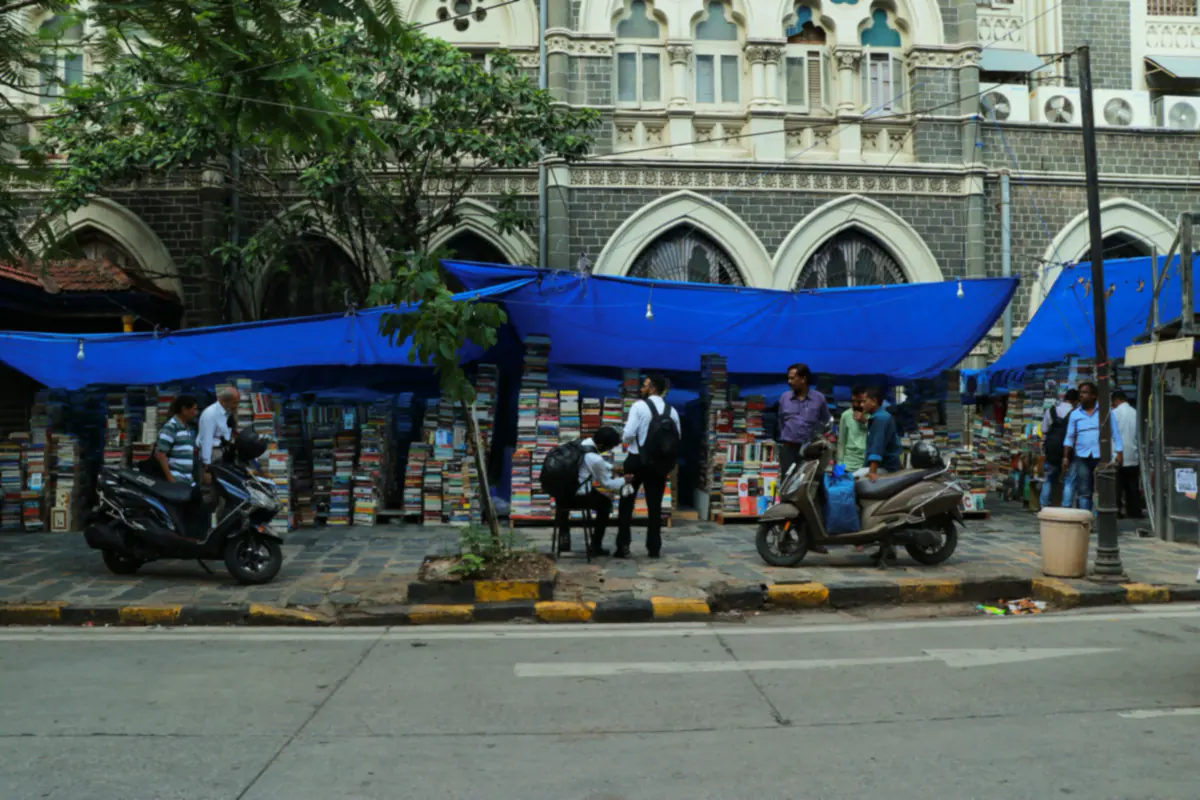
Book stalls on a Mumbai pavement below a Gothic style building 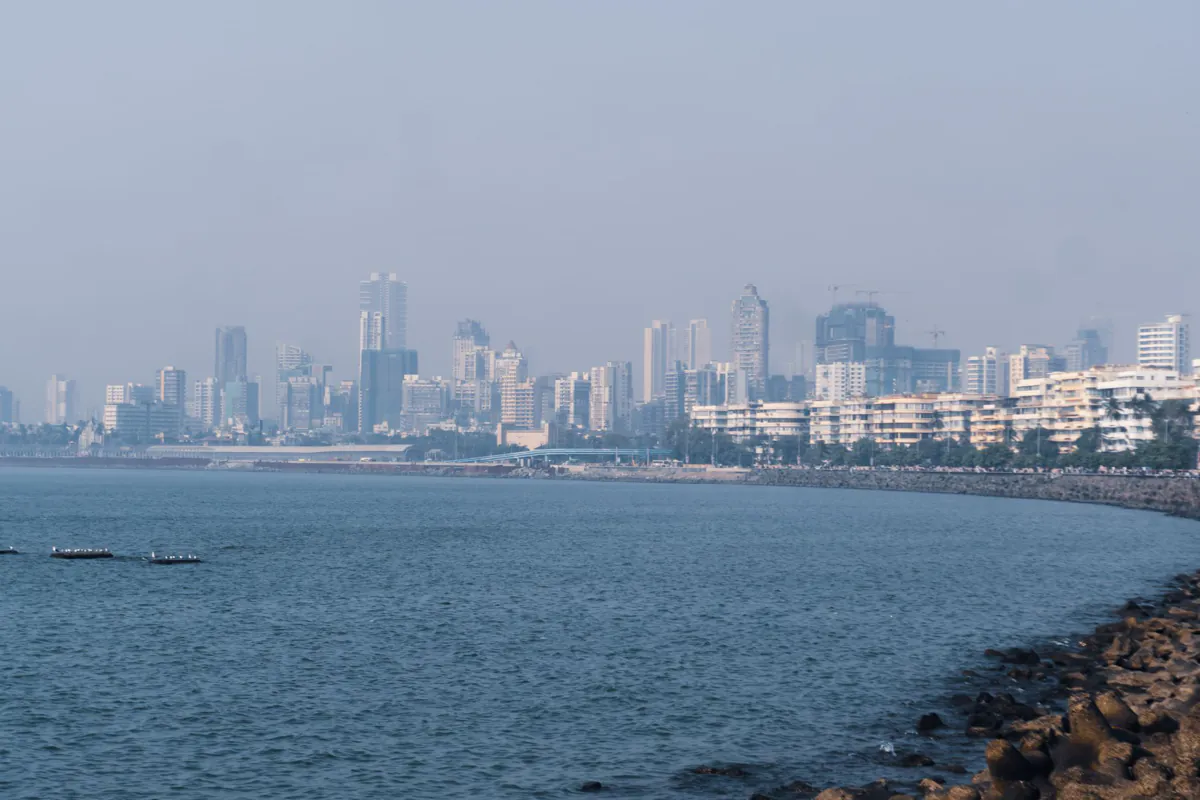
Marine Drive curving along the Arabian Sea 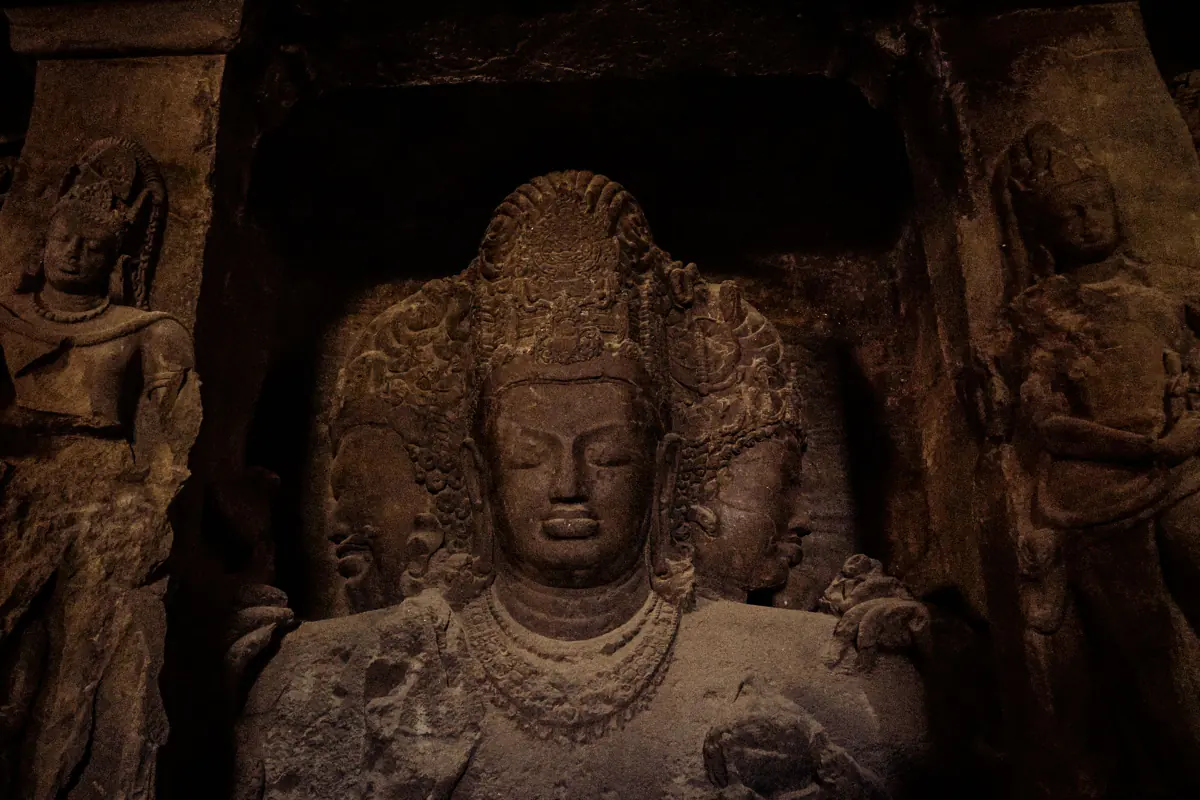
Carved figures in the rock cut Elephanta Caves
Questions about Mumbai
See all questionsHow do I get around Mumbai?
Suburban trains on the Western, Central and Harbour lines carry commuters across the city and the wider region, and the Mumbai Metro, which opened in 2014, adds more lines. Buses and metered taxis cover the rest, and ferries leave from terminals such as the Gateway of India.
How do I get to the Elephanta Caves?
Take a ferry from the jetties at the Gateway of India across Mumbai Harbour to Elephanta Island, about 10 kilometres east of the city. The rock cut caves on the island are a UNESCO World Heritage Site.
Which airport serves Mumbai?
Chhatrapati Shivaji Maharaj International Airport (BOM) serves Mumbai. Navi Mumbai International Airport also serves the wider Mumbai Metropolitan Region.
When is the best time to visit Mumbai?
November to February is usually the most comfortable time, as it is dry, with average highs of about 31°C to 34°C. The southwest monsoon brings very heavy rain from June to the end of September, and July is the wettest month.